
Newsletter Subscribe
Enter your email address below and subscribe to our newsletter

 ByJohn A
Most of the budget in a flooring project goes to the planks, the finish, and the labor. The vents rarely make the list, yet they are the one detail that can either disappear into a beautiful floor or break its lines with a piece of stamped metal.
That small choice carries a real price gap. A standard metal register and a flush-mount wood floor vent can differ by a wide margin per unit, and the reasons behind that difference matter when a home has ten or fifteen openings to cover. Knowing what each option costs and what the extra spend actually buys makes the decision far easier.
Wood vents cost more than metal registers in nearly every case, though the size of the gap depends on the type chosen. The table below lays out the common price points side by side.
| Vent Type | Typical Price Each | What It Includes |
| Standard metal register | $10 to $40 | Drop-in steel, aluminum, or plastic in stock sizes; budget units $10 to $20, decorative metal up to $50 |
| Basic wood vent (unfinished drop-in) | $20 to $40 | Entry-level hardwood, finished on site to match |
| Flush mount wood vent (finished or boxed) | $60 to $150 | Sits level with the floor, prefinished or with a mounting box |
| Custom or exotic-species flush wood | $150 and up | Made to match specific flooring, larger sizes, premium species |
A flush mount wood vent generally runs two to four times the price of a standard metal register. Metal stays cheap because it is mass-produced in fixed sizes and drops straight in, while wood carries the cost of the material, the matching, and a more involved fit.
See also: How to Move Into a More Senior Position
Two wood vents of the same size can still carry different price tags. A handful of factors decide where a vent lands on the scale:
These factors stack, so a small unfinished oak drop-in and a large custom walnut flush vent sit at opposite ends of the price scale. Choosing where to spend depends on how visible the vent is and how seamless the finished floor needs to look.
Price alone makes metal the obvious winner, yet the cheaper option shows its age in ways wood does not. A metal register interrupts the floor from day one, and over time the surface collects dust, fingerprints, and scuffs while the finish oxidizes and dulls.
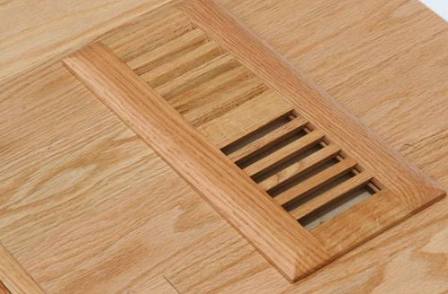
A flush wood vent solves the problem the floor was designed to avoid. Cut from the same species and set level with the surrounding boards, the vent reads as part of the floor instead of a fixture dropped on top of it. When the floor gets sanded and refinished years later, the vent refinishes right along with it, so everything stays matched through the life of the room.
This is where sourcing makes the difference between a vent that blends and one that almost matches. Rustic Wood Floor Supply stocks flush mount wood floor vents alongside the same hardwood species it sells for flooring, so the vent and the floor come from one source and age as a single surface. Buyers pulling both from the same supplier avoid the mismatched grain and off-tone staining that happen when a vent is sourced separately after the fact.
The wood-vent premium shrinks with a few smart choices at the planning stage. These steps keep the look without the top-tier price:
Timing is the biggest lever of all. Planning the vents alongside the flooring order avoids rush fees, mismatched lots, and the higher cost of cutting a flush opening into a floor that is already down.
How much do flush mount wood floor vents cost?
Flush mount wood floor vents typically cost between $40 and $150 each, with basic unfinished models starting near $20 and custom or exotic-species vents exceeding $150. Size, wood type, and finish level all shape the final price.
Are wood floor vents more expensive than metal registers?
Yes. Wood vents usually cost two to four times more than standard metal registers, which run about $10 to $40 each. The higher price reflects the hardwood material, the matching to the floor, and a more precise installation.
Why do wood vents cost more than metal?
Wood vents use real hardwood, often milled to match a specific floor, and many require framing to sit flush. Metal registers are mass-produced in stock sizes and drop straight in, which keeps their price much lower.
Can buyers save money with unfinished wood vents?
Yes. Unfinished wood vents cost less than prefinished ones and get stained and sealed during the floor’s own finishing step. This approach lowers the price while producing a closer color and sheen match to the surrounding floor.
Are flush mount wood vents worth the extra cost?
For visible rooms and higher-end floors, usually yes. A flush wood vent blends into the floor, refinishes with it, and avoids the scuffs and dust that age metal. In low-traffic or budget spaces, metal registers remain a sensible choice.
The math is simple enough on paper. Metal registers cost $10 to $40 and win on price, while flush-mount wood floor vents cost $40 to $150 or more and win on a seamless, lasting finish. The right call comes down to how much the floor needs to look uninterrupted and how long that look has to hold up.
For anyone leaning toward wood, the smartest move is to source the vents and the flooring together. Rustic Wood Floor Supply carries both at factory-direct wholesale pricing across its Atlanta, Boise, Lawrenceville, and Spokane Valley locations, in matching species and unfinished or finished to order.
Request a sample or a custom quote and see the vent and the floor side by side before committing to either.
Read More: What To Inspect Before Buying Prefinished Solid Hardwood Flooring On Sale
